In flexography, the imaging stage sets the quality ceiling for print. A strong prepress file is important, but how that file is transferred onto the plate ultimately determines ink transfer, consistency, and durability on press.
From Round-Top to Flat-Top Dots
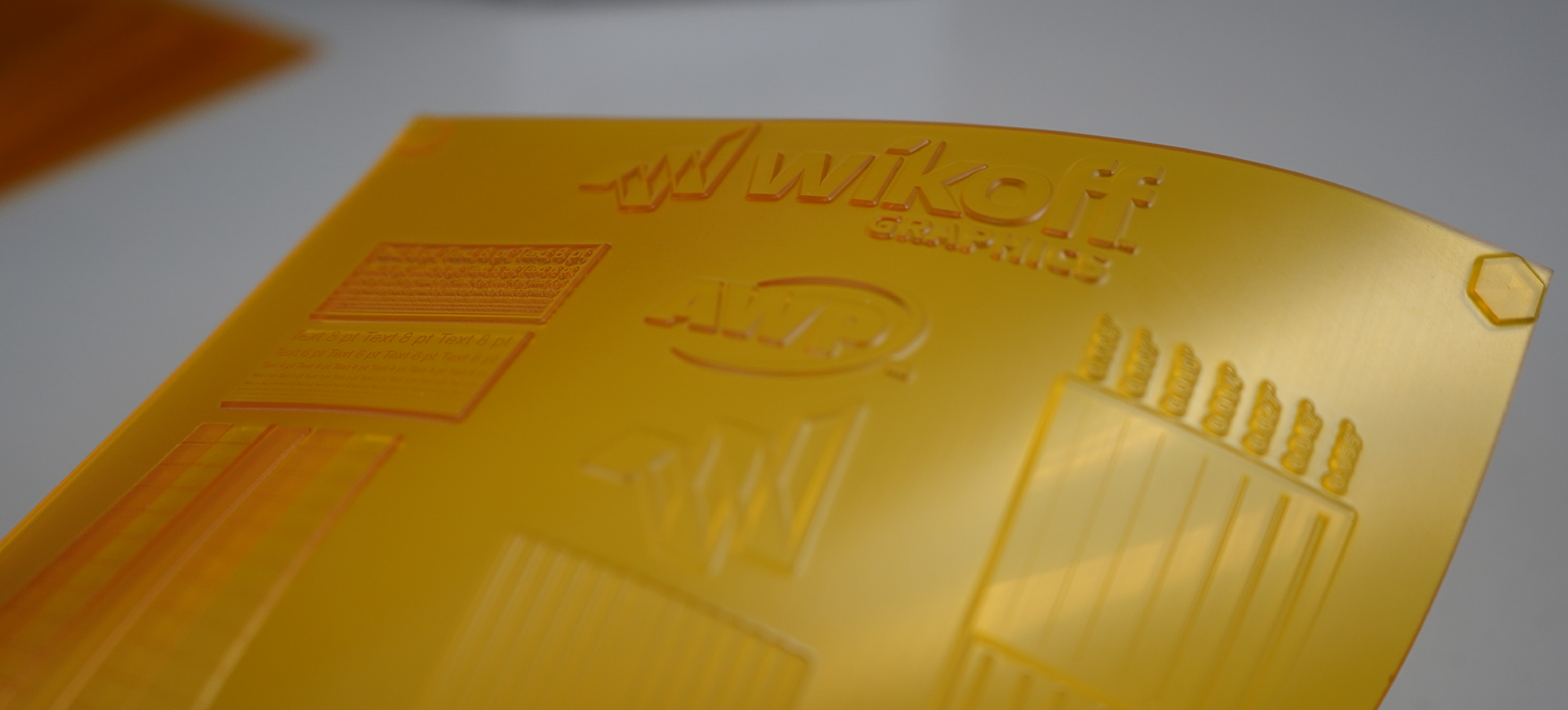
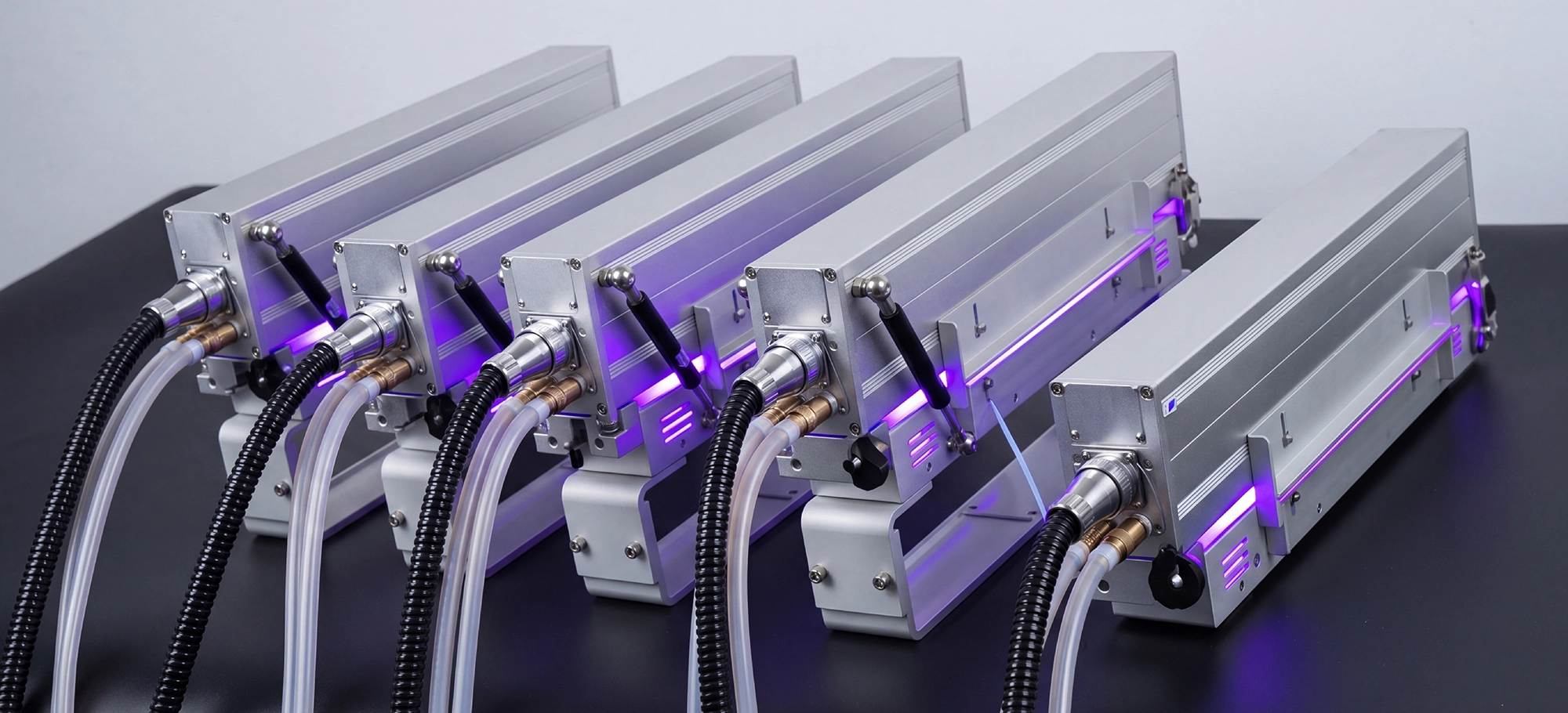
Historically, flexo relied on round-top dots that were more vulnerable to exposure variability. Today’s engineered photopolymers have changed that. With many modern materials, flat-top dots are built into the plate itself, eliminating the need for nitrogen exposure units or capping films. The result is a more stable dot, reduced gain variation, better highlight control, and consistent color throughout longer press runs.
Imaging and Screening Advances
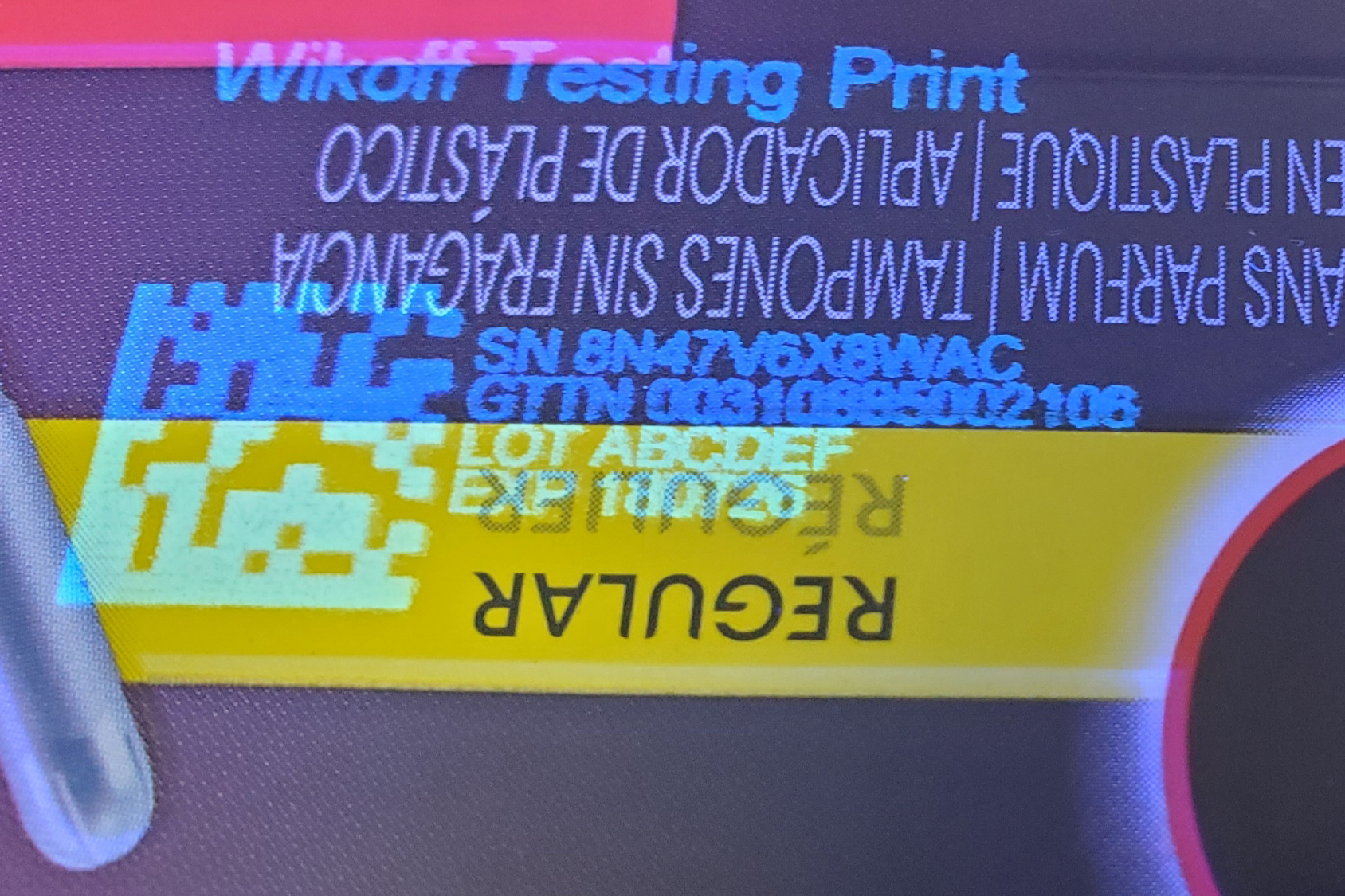
Laser imagers today can resolve features down to just a few microns. This level of precision makes possible a range of screening strategies designed to solve every day flexo challenges. Engineered micro-patterns on the plate surface can improve ink laydown, reduce mottling, and create smoother solids. Specialized patterns for whites or coatings allow printers to carry higher ink volumes where opacity or coverage is critical. Hybrid approaches that blend traditional AM and FM screening provide clean gradients while still maintaining solid density.
Imaging as Process Control
Perhaps the biggest value in advanced imaging is repeatability. When plates are imaged with greater accuracy and surface stability, quality can be locked in before they ever touch the press. That means less tweaking during makeready, more reliable profiling and fingerprinting, and stronger support for extended gamut workflows. Ultimately, advanced imaging helps reduce waste and gives both prepress and production teams confidence that results will be predictable from run to run.
Why It Matters
Packaging buyers expect consistency, vibrant color, and increasingly sustainable operations. Advanced imaging supports each of these demands by producing predictable plates across multiple presses, improving highlight detail and color reproduction, and reducing rework and substrate waste. What once was considered a premium option is quickly becoming the baseline for competitive converters.
Get Started with Advanced Imaging
At Wikoff Graphics, we’re focused on helping printers unlock these advantages. If your team is exploring new imaging strategies or simply looking to get more from your current workflow, let’s start a conversation.
How is advanced imaging influencing your operation? Share your thoughts with a member of our team today at [email protected] or visit https://wikoff.com/.